


Asparagus Identification Dataset
#Target detection #image classification #Agricultural monitoring #crop identification #smart agriculture
- 5000 records
- 1.2G
- JPG/PNG/JSON
- CATL
 MOBIUSI INC
Updated:2026-09-17
AI Analysis & Value Prop
The current agricultural industry faces challenges in efficient crop monitoring and recognition. Traditional manual detection methods are inefficient and prone to errors. Existing solutions often rely on empirical judgment without scientific model support. This dataset aims to provide diverse asparagus images to help train automatic recognition models, improving the accuracy and efficiency of crop monitoring. The dataset includes images of asparagus from different varieties, angles, and lighting conditions. High-resolution cameras were used during the data collection process under natural light conditions and in various environments to ensure diversity. For quality control, all annotations were reviewed in multiple rounds and consistency checks were conducted to ensure the accuracy and reliability of the annotations. The data is stored in JPEG format with a clear organizational structure for ease of use in subsequent model training and testing. The core advantage of this dataset is its high annotation accuracy and consistency, with annotation accuracy exceeding 95%, and by introducing new data augmentation techniques, it effectively enhances the model's generalization ability. Using this dataset, the model's accuracy in asparagus recognition tasks improved by about 15%, significantly optimizing the efficiency and reliability of agricultural monitoring.
Dataset Insights
Sample Examples
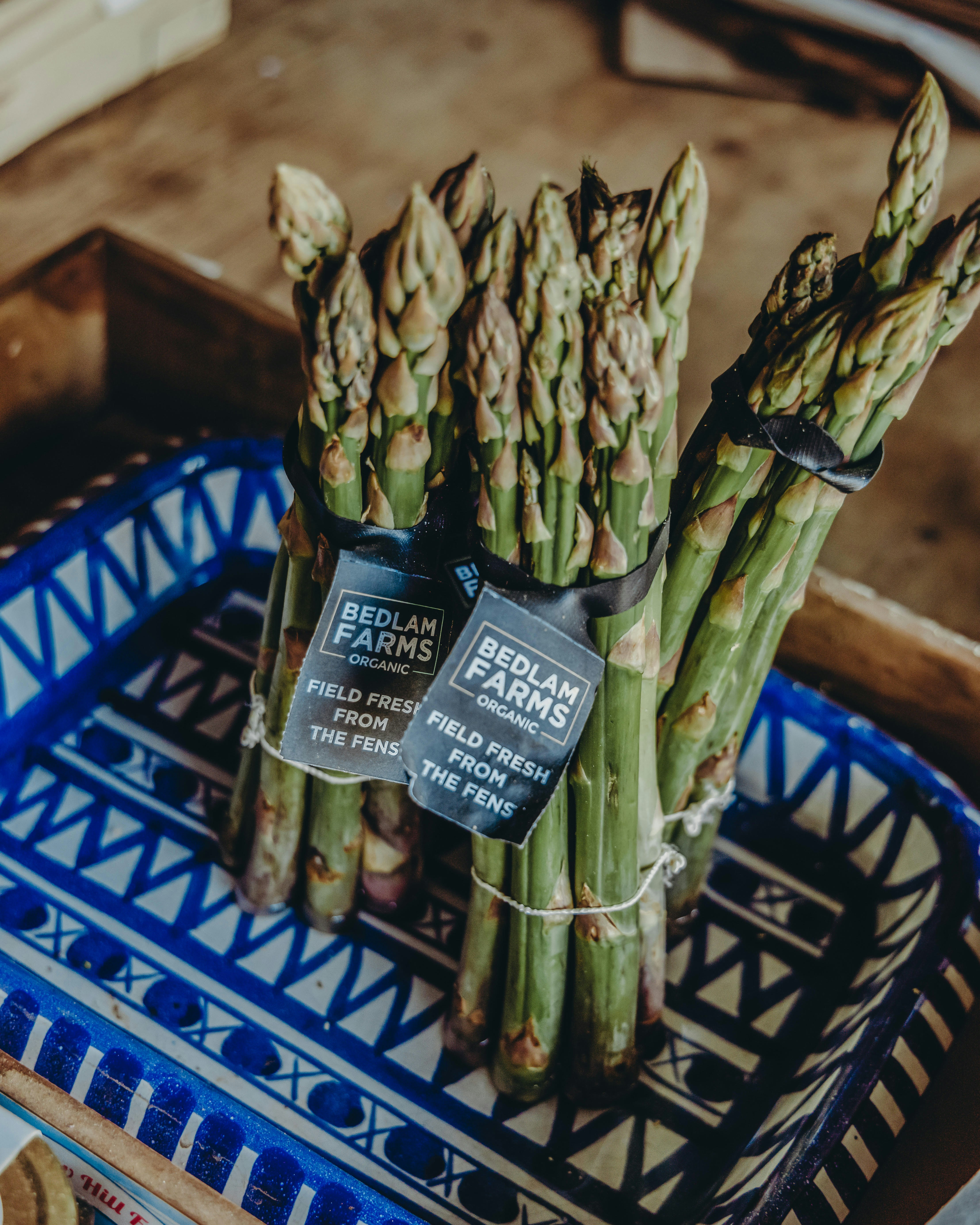
f16ee149**.jpg|4433*5541|3.47 MB

Technical Specifications
| Field | Type | Description |
|---|---|---|
| file_name | string | File name |
| quality | string | Resolution |
| asparagus_species | string | The species of asparagus in the image. |
| light_condition | string | The lighting condition during which the image was captured, such as natural light, cloudy, or nighttime. |
| asparagus_count | int | The number of asparagus visible in the image. |
| growth_stage | string | The growth stage of the asparagus in the image, such as sprouting or mature. |
Compliance Statement
| Authorization Type | Proprietary - Commercial AI Training License (No Redistribution) |
| Commercial Use | Requires exclusive subscription or authorization contract (monthly or per-invocation charging) |
| Privacy and Anonymization | No PII, no real company names, simulated scenarios follow industry standards |
| Compliance System | Compliant with China's Data Security Law / EU GDPR / supports enterprise data access logs |
Frequently Asked Questions
- What types of asparagus are included in the Asparagus Recognition Dataset?
- The Asparagus Recognition Dataset includes multiple varieties of asparagus to cover different recognition needs.
- What is the primary task for this dataset?
- The primary task for this dataset is object detection, to train models to automatically recognize and detect asparagus in images.
- Which industry is the Asparagus Recognition Dataset suitable for?
- The Asparagus Recognition Dataset is suitable for the agriculture industry, particularly in the area of automated agricultural product recognition and detection.
- How were the images in the dataset collected?
- The images in the dataset were collected under various lighting conditions to ensure the model can recognize asparagus in diverse environments.
- What technical capabilities can be enhanced by using the Asparagus Recognition Dataset?
- Using the Asparagus Recognition Dataset can enhance the accuracy of object detection models and their adaptability to different environments.

Can't find the data you need?
Post a request and let data providers reach out to you.
Get this Dataset
Verified for Enterprise UseCite this Work
@dataset{Mobiusi2025,
  title={Asparagus Identification Dataset},
  author={MOBIUSI INC},
  year={2025},
  url={https://www.mobiusi.com/datasets/d301dd7988a381a8dbd9fffb680ea7c9},
  urldate={2025-09-15},
  keywords={Asparagus recognition, target detection dataset, agricultural dataset, smart agriculture, image recognition},
  version={1.0}
}
Using this in research? Please cite us.
placeholder
placeholder
placeholder
placeholder
placeholder
placeholder
placeholder