
Gear Shift Lever Detection Dataset
#Object Detection #Image Classification #Manual Transmission Assembly #Lever Misalignment Recognition
- Records
- 20000 records
- Size
- 3.5G
- Format
- JPG/PNG/JSON
- Provider
 MOBIUSI INC
- Updated
- v1.02026-11-25
AI Analysis & Value Prop
The current industrial sector faces challenges in ensuring the accuracy and efficiency of manual transmission assembly, particularly in detecting lever misalignment. Existing solutions often lack precision and scalability, leading to increased error rates in assembly lines. This dataset aims to address the technical problem of accurately identifying and classifying gear shift lever positions to enhance assembly quality. The dataset is structured with images collected from various assembly environments under controlled lighting conditions using high-resolution cameras. Quality control measures include multi-round annotations, consistency checks, and expert reviews to ensure high labeling accuracy. The data is organized in JPG format, with each image linked to its respective metadata, ensuring easy access and usability for machine learning tasks.
Overview
Dataset Insights
Preview
Sample Examples
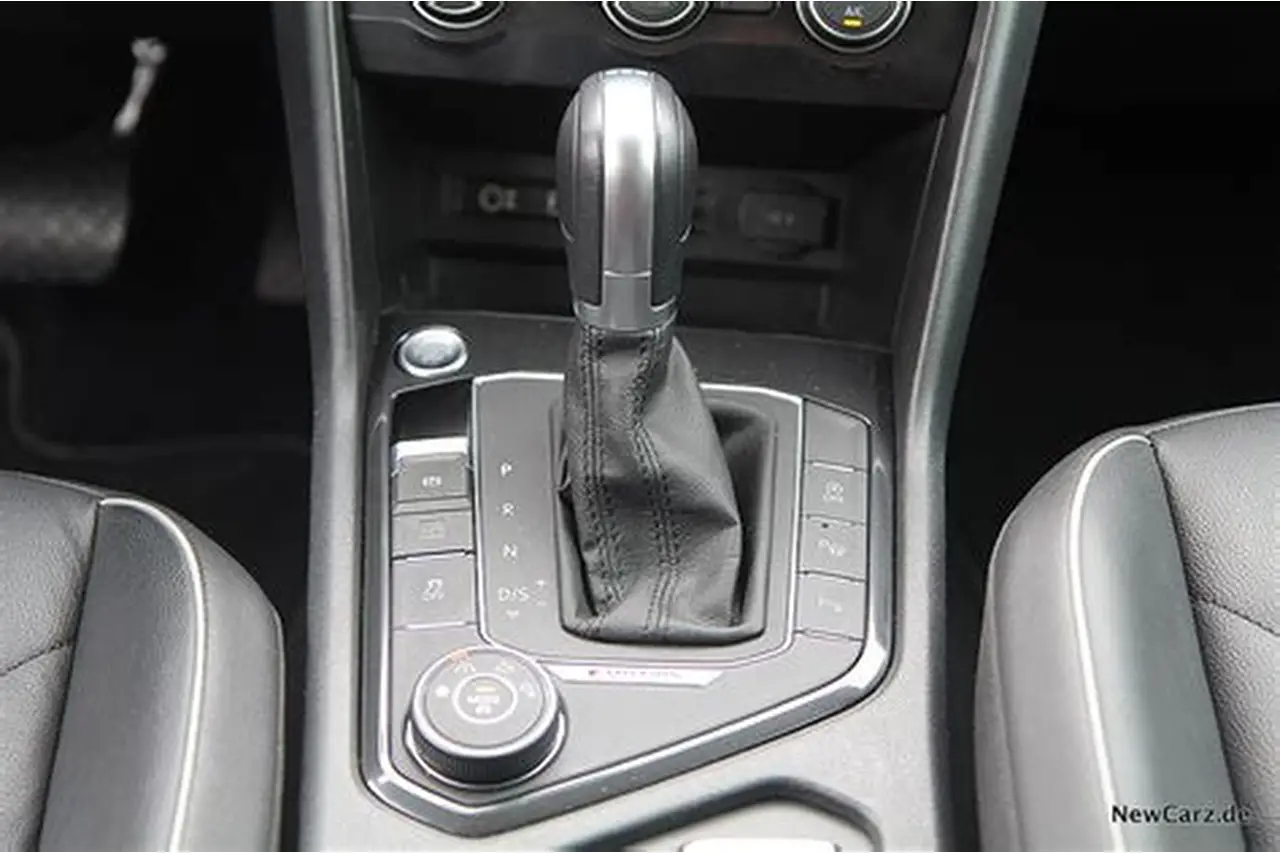
e13de0a4**.jpg|1280*853|41.40 KB
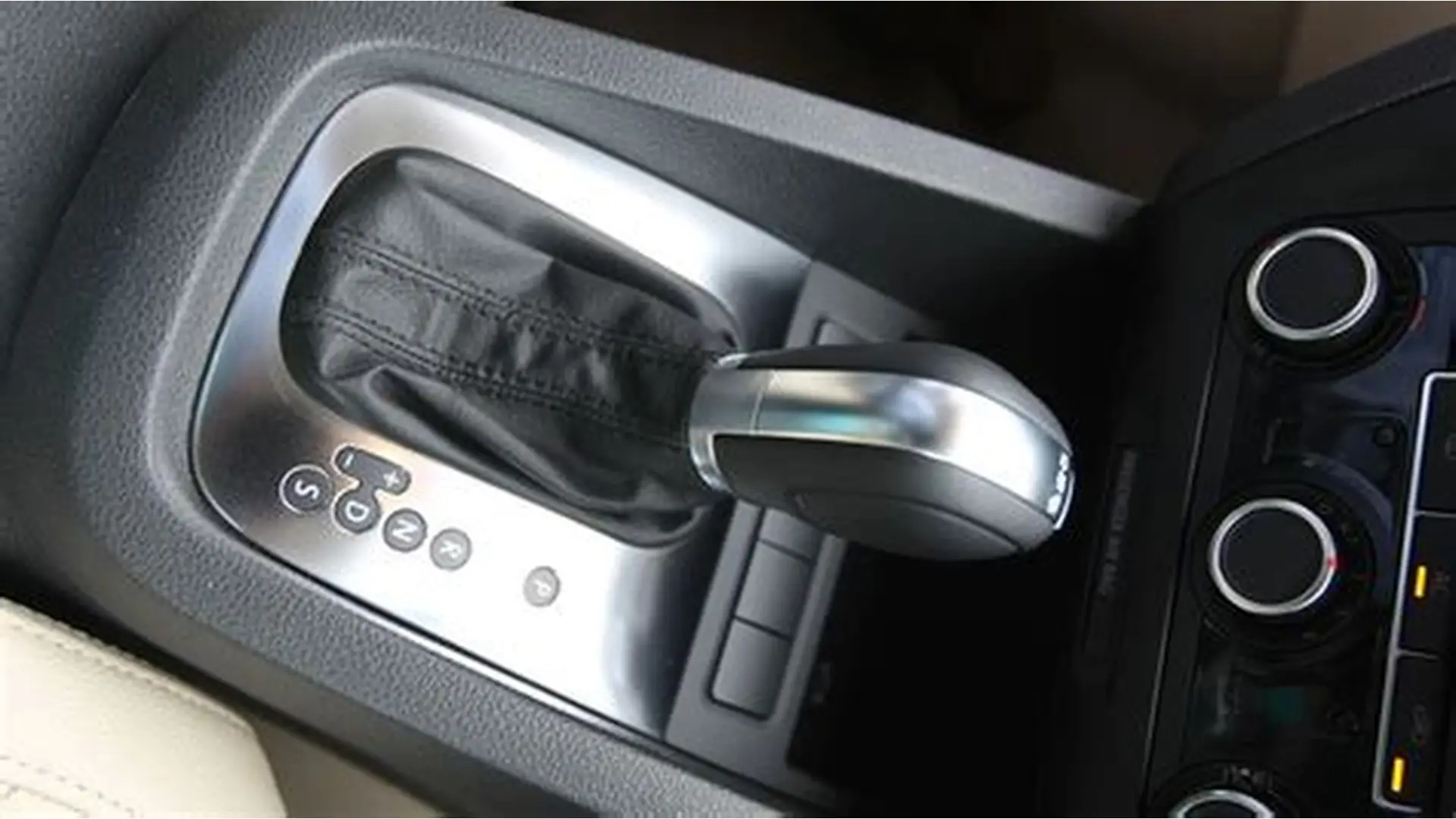
cea5223d**.jpg|1920*1080|57.82 KB
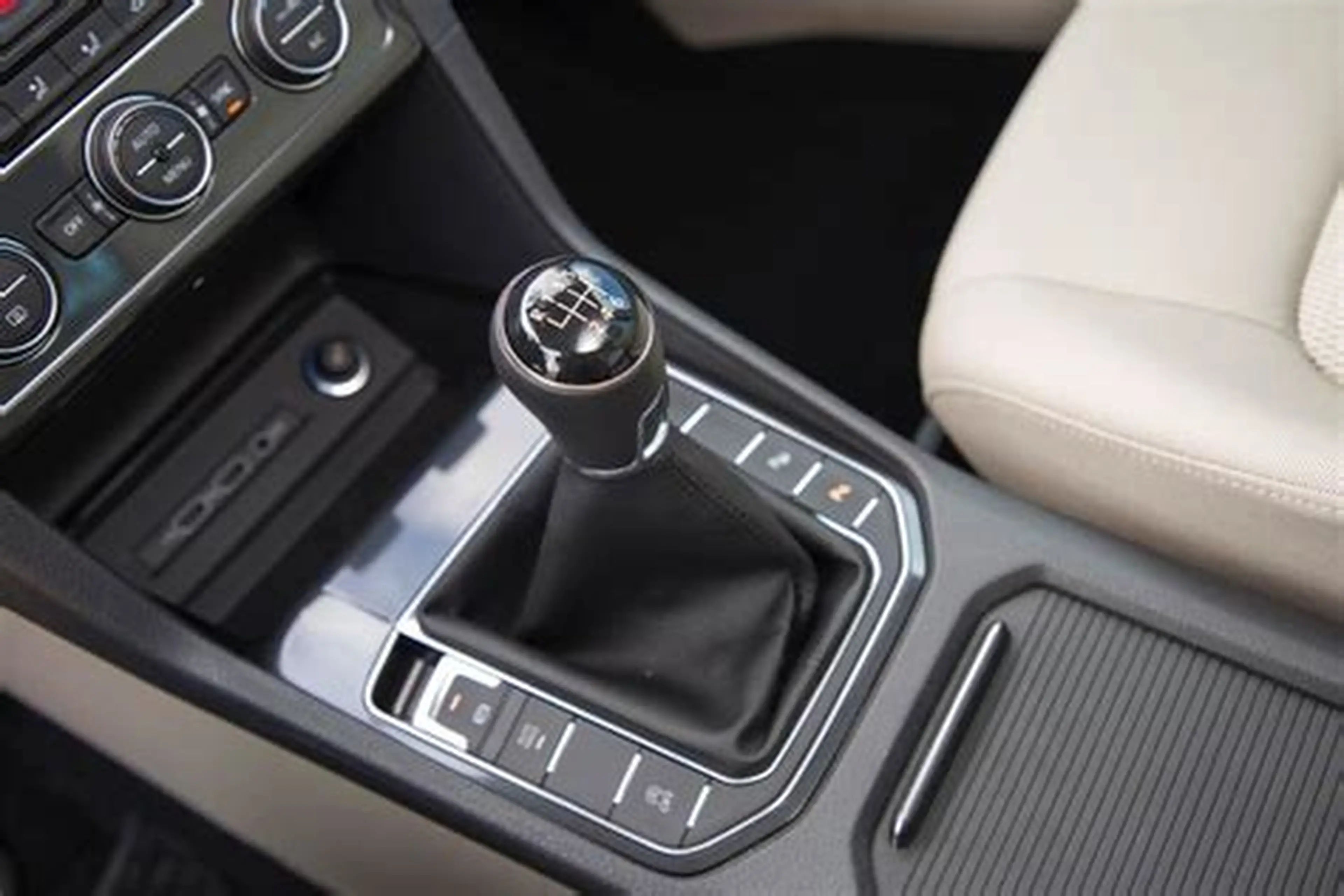
e32a6dc1**.jpg|3840*2560|154.27 KB
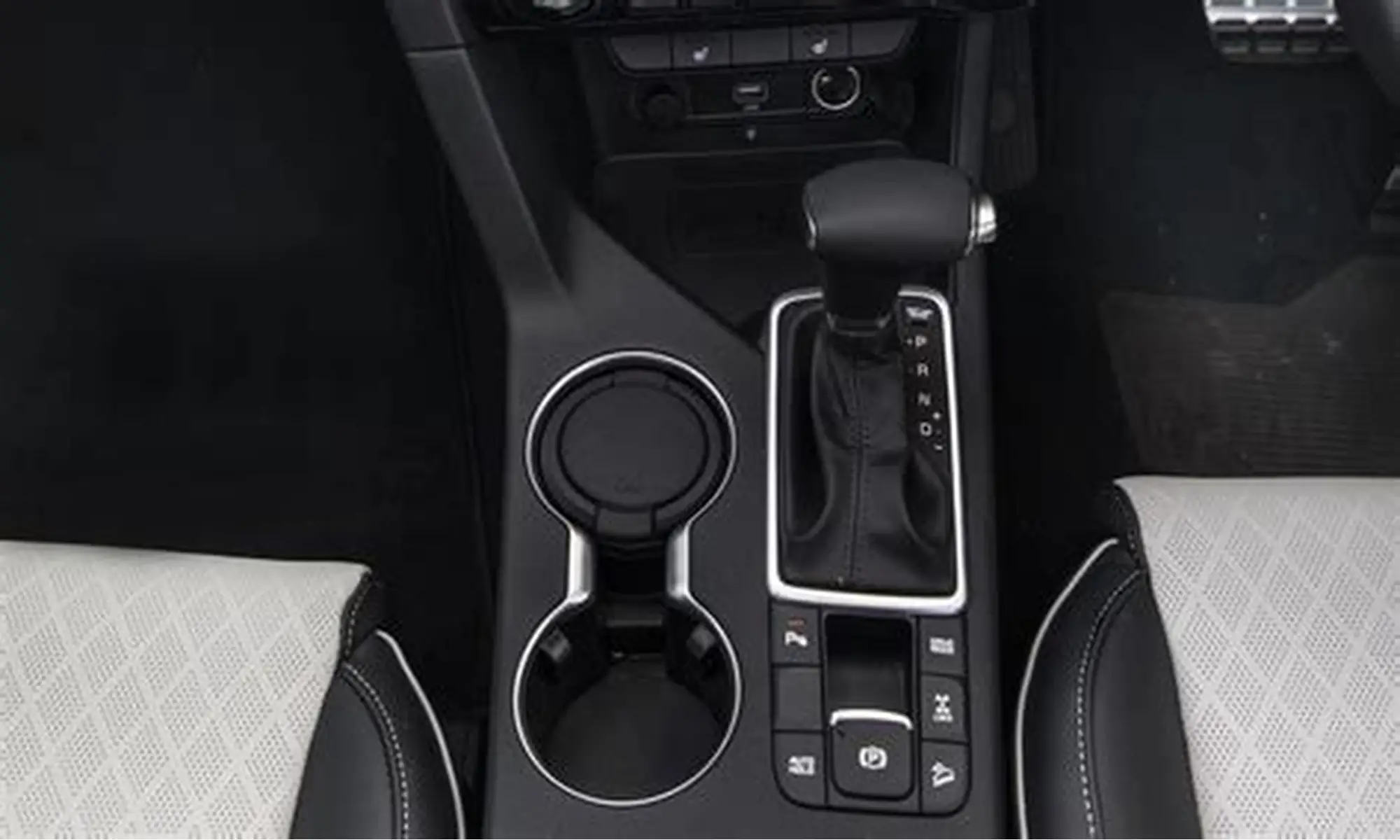
dc5e7063**.jpg|2000*1200|52.29 KB
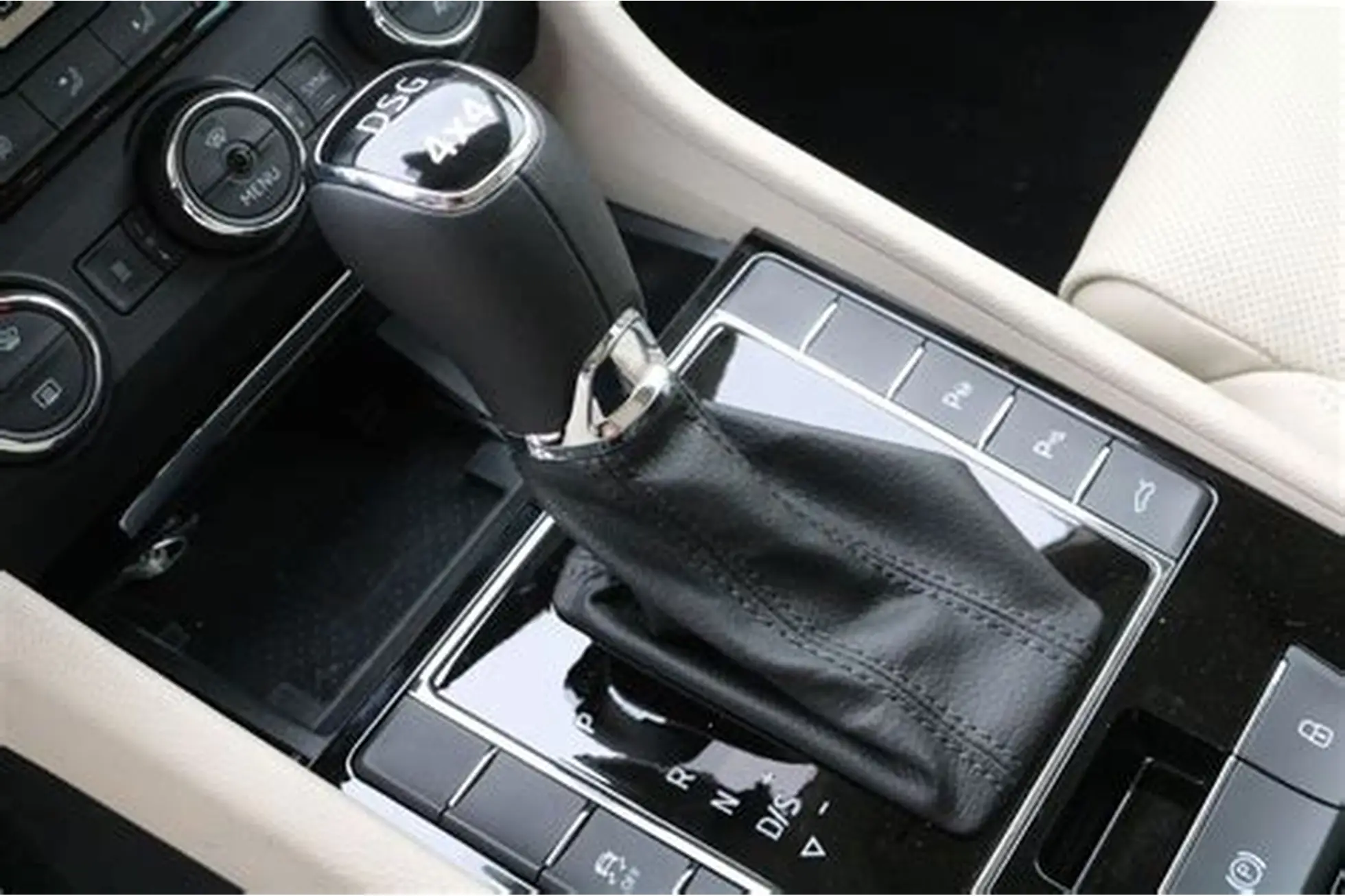
b999da03**.jpg|1960*1306|84.85 KB


Schema
Technical Specifications
| Field | Type | Description |
|---|---|---|
| file_name | string | File name |
| quality | string | Resolution |
| image_quality | string | Description of the overall quality of the image, such as clarity, contrast, etc. |
| illumination_condition | string | Lighting conditions during shooting, such as natural light, artificial light sources, etc. |
| shift_lever_presence | boolean | Whether the gear shift lever is present in the image. |
| shift_lever_status | string | The state of the gear shift lever, such as neutral, reverse, first gear, etc. |
| obstruction_presence | boolean | Whether there are obstructions covering the gear shift lever in the image. |
| background_clarity | string | The clarity of the image background, such as clear, blurred, etc. |
Trust
Compliance Statement
Authorization Type
Proprietary - Commercial AI Training License (No Redistribution)
Commercial Use
Requires exclusive subscription or authorization contract (monthly or per-invocation charging)
Privacy and Anonymization
No PII, no real company names, simulated scenarios follow industry standards
Compliance System
Compliant with China's Data Security Law / EU GDPR / supports enterprise data access logs
FAQ
Frequently Asked Questions
- What is the Shift Lever Detection Dataset?
- The Shift Lever Detection Dataset is an image dataset used for detecting shift levers in manual transmissions, aimed at supporting industrial automation and quality assurance applications.
- What data modalities does the Shift Lever Detection Dataset include?
- The dataset includes only image data modality, focusing on the detection of shift levers.
- What is the primary application domain of the Shift Lever Detection Dataset?
- The primary application domain of the dataset is the industrial sector, particularly in manufacturing automation and quality assurance.
- How can the Shift Lever Detection Dataset be used for object detection?
- Deep learning models such as YOLO or Faster R-CNN can be trained using this dataset to detect and identify shift levers in images.
- How does the Shift Lever Detection Dataset aid industrial automation?
- By accurately detecting the position of shift levers, this dataset can help develop automated systems that increase efficiency on production lines and reduce manual intervention.
Can't find the data you need?
Post a request and let data providers reach out to you.
Get this Dataset
High-quality data, ready for your next AI breakthrough.
Cite this Work
@dataset{Mobiusi2025,
  title={Gear Shift Lever Detection Dataset},
  author={MOBIUSI INC},
  year={2025},
  url={https://www.mobiusi.com/datasets/d10fcbdbb603397cf251b868009e23d5?dataset_scene_id=2},
  urldate={2025-08-28},
  keywords={Gear Shift Detection Dataset,Industrial Image Dataset,Manual Transmission Recognition,Lever Misalignment Detection},
  version={1.0}
}
Using this in research? Please cite us.
placeholder
placeholder
placeholder
placeholder
placeholder
placeholder
placeholder