


Scientific Laboratory Instrument Readout Recognition Dataset
#Image recognition #optical character recognition #pattern recognition #Scientific data analysis #laboratory automation #scientific instrument data recognition
- 500 records
- 1.6G
- JPG
- CATL
 MOBIUSI INC
Updated:2026-09-19
AI Analysis & Value Prop
In modern scientific research, laboratory instruments are key sources of data acquisition, while manual recording of instrument readouts is inefficient and prone to errors. Traditional solutions such as manual transcription and basic OCR technology often prove inadequate when dealing with complex backgrounds, reflections, and multiple fonts of scientific instrument readings. This dataset aims to solve the problem of automatic recognition of diverse instrument readings in complex environments, improving the accuracy and efficiency of scientific work. The data is captured using high-resolution camera equipment under standard laboratory lighting conditions, and has undergone multiple rounds of quality inspection, including expert verification and consistency checks, ensuring the reliability of the data. The annotation team is composed of 20 professionals with backgrounds in physics, chemistry, and biology. The data undergoes pre-processing steps such as segmentation, normalization, and various noise treatments, stored in JPEG format, and is structured for quick access. The dataset achieves 99% accuracy in annotation and consistency better than 95%, ensuring data integrity. Advanced image pre-processing and improved OCR algorithms are used to enhance data parsing accuracy. It effectively solves the problem of manual data entry for scientific research, improving readout entry speed by over 50%. Compared with other datasets, it covers more instrument types and scenarios, with a rarity in optical character challenges, suitable for a wide range of scientific fields. It has good scalability and can be used in other fields such as industrial equipment readouts.
Dataset Insights
Sample Examples
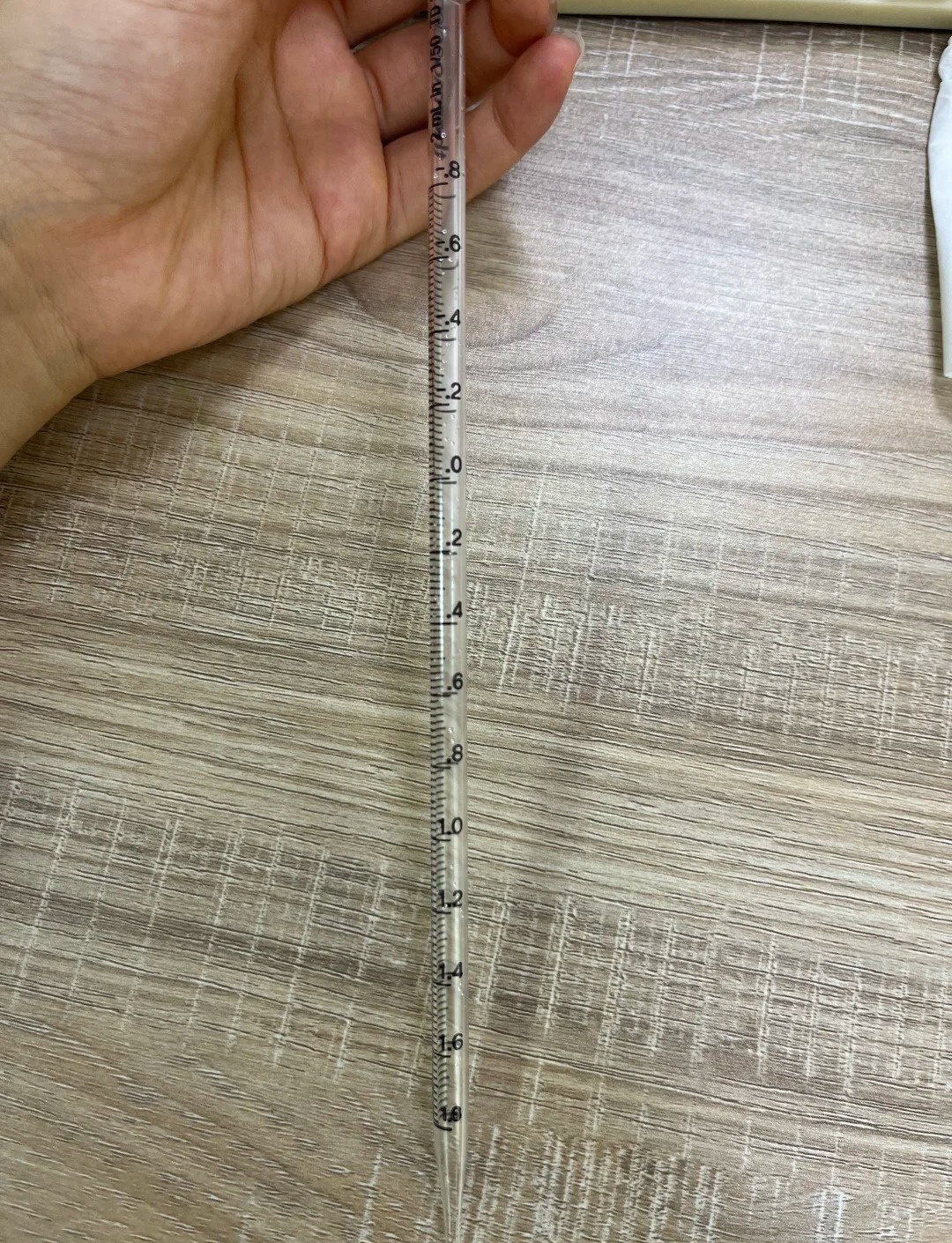
67a8c32a**.jpg|1080*1410|694.27 KB
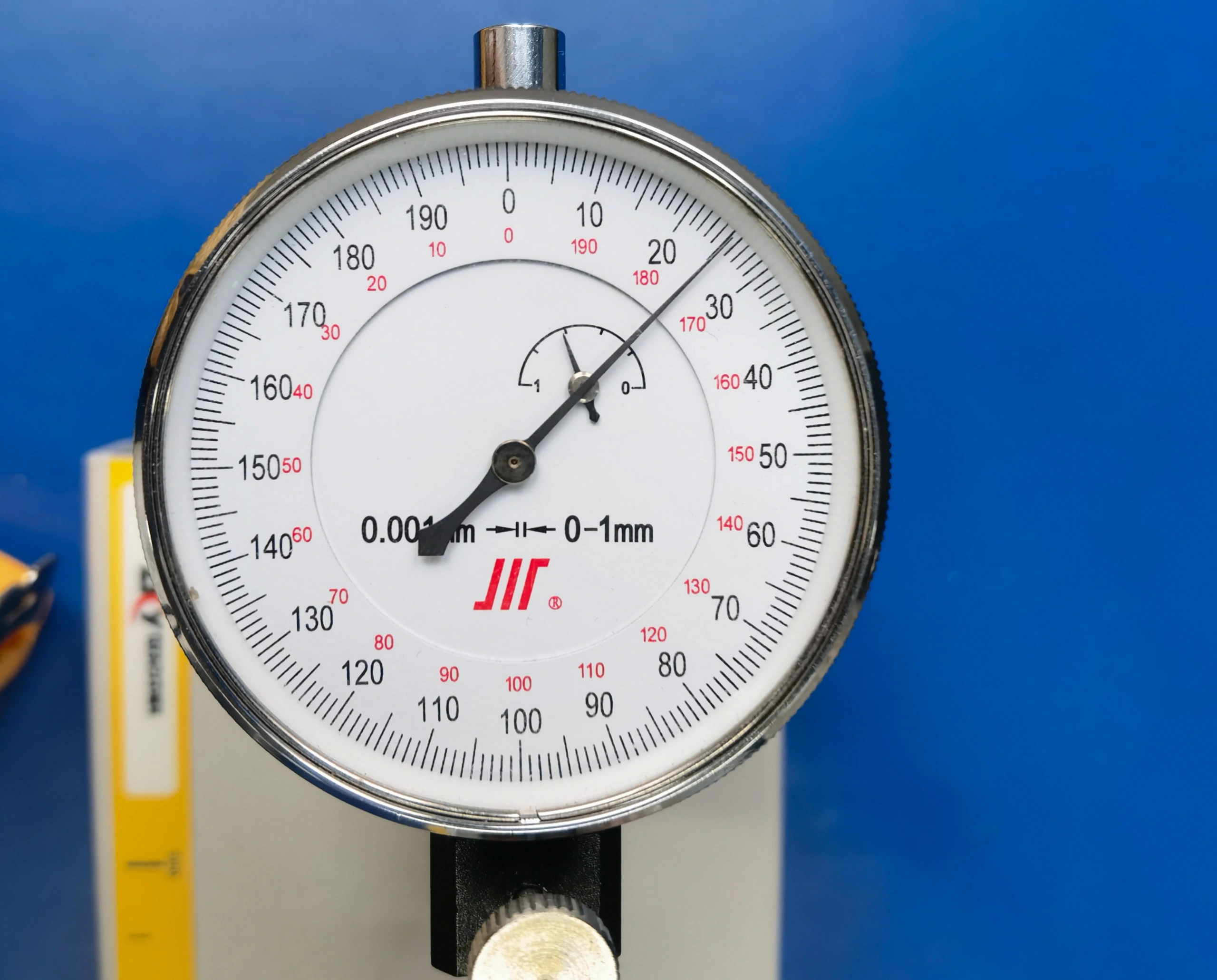
5d1fb3e9**.jpg|2560*2061|465.77 KB

8457556b**.jpg|800*1172|75.08 KB

9e5a7f0d**.jpg|800*1041|138.21 KB


Technical Specifications
| Field | Type | Description |
|---|---|---|
| file_name | string | File name |
| quality | string | Resolution |
| instrument_type | string | Identifies the type of instrument in the image, such as microscope or spectrometer. |
| reading_value | float | The instrument reading displayed in the image, such as temperature or concentration. |
| reading_unit | string | The unit of the instrument reading shown in the image, such as Celsius or Pascal. |
| display_text | string | The text or numerical content displayed on the instrument's screen. |
| reading_precision | float | The precision or error range of the instrument reading shown in the image. |
| brand_name | string | Identifies the brand name of the instrument in the image. |
| model_number | string | Identifies the model number of the instrument in the image. |
| calibration_status | string | The calibration status of the instrument in the image, such as calibrated or uncalibrated. |
| ambient_conditions | string | The ambient conditions at the time the image was taken, like lighting and humidity. |
| instrument_condition | string | The physical condition of the instrument in the image, such as intact or damaged. |
Compliance Statement
| Authorization Type | Proprietary - Commercial AI Training License (No Redistribution) |
| Commercial Use | Requires exclusive subscription or authorization contract (monthly or per-invocation charging) |
| Privacy and Anonymization | No PII, no real company names, simulated scenarios follow industry standards |
| Compliance System | Compliant with China's Data Security Law / EU GDPR / supports enterprise data access logs |
Frequently Asked Questions
- What is the Scientific Laboratory Instrument Reading Recognition Dataset?
- The Scientific Laboratory Instrument Reading Recognition Dataset aims to improve the efficiency of laboratory instrument reading analysis through image modality, suitable for the scientific research field.
- How does this dataset improve scientific data analysis efficiency?
- This dataset provides training image data to optimize algorithms, making the instrument reading recognition process more accurate and faster, thus improving the efficiency of scientific data analysis.
- What are the advantages of using this dataset in scientific research?
- Using this dataset can reduce human resource input, improve the accuracy and throughput of readings, and thus accelerate the experimental and research process.
- What types of scientific research is this dataset suitable for?
- This dataset is suitable for laboratory research fields that require precise instrument readings, such as chemistry experiments, physics experiments, and biological research.
- How to use the Scientific Laboratory Instrument Reading Recognition Dataset for model training?
- Researchers can use the image data from this dataset to train and test reading recognition models, thereby improving the model's accuracy and stability.

Can't find the data you need?
Post a request and let data providers reach out to you.
Get this Dataset
Verified for Enterprise UseCite this Work
@dataset{Mobiusi2026,
  title={Scientific Laboratory Instrument Readout Recognition Dataset},
  author={MOBIUSI INC},
  year={2026},
  url={https://www.mobiusi.com/datasets/7327a0c4cf52fed2cef40e1ba24e6c43?dataset_scene_id=20},
  urldate={2026-02-04},
  keywords={Scientific laboratory instrument recognition, research dataset, image dataset, optical character recognition},
  version={1.0}
}
Using this in research? Please cite us.
placeholder
placeholder
placeholder
placeholder
placeholder
placeholder
placeholder