


POLO Shirt Occlusion Image Dataset
#object detection #image classification #image recognition #product analysis #fashion detection
- 5000 records
- 1.2G
- JPG/PNG/JSON
- CATL
 MOBIUSI INC
Updated:2026-07-30
AI Analysis & Value Prop
The retail e-commerce industry faces significant challenges with product visibility due to various occlusions, such as clothing folds and body postures that obscure branding. Existing solutions often fail to accurately identify and classify products under these conditions, leading to reduced sales and customer dissatisfaction. This dataset aims to address the specific need for robust algorithms that can effectively handle occlusions in product images, enhancing visibility and recognition for better customer engagement. The dataset comprises images collected from diverse retail environments, utilizing high-resolution cameras in controlled lighting to ensure clarity. Quality control measures include multi-round annotations, consistency checks among annotators, and expert reviews to maintain high accuracy. The data is organized in a JPG format, with structured folders for easy access to images and associated metadata.
Dataset Insights
Sample Examples
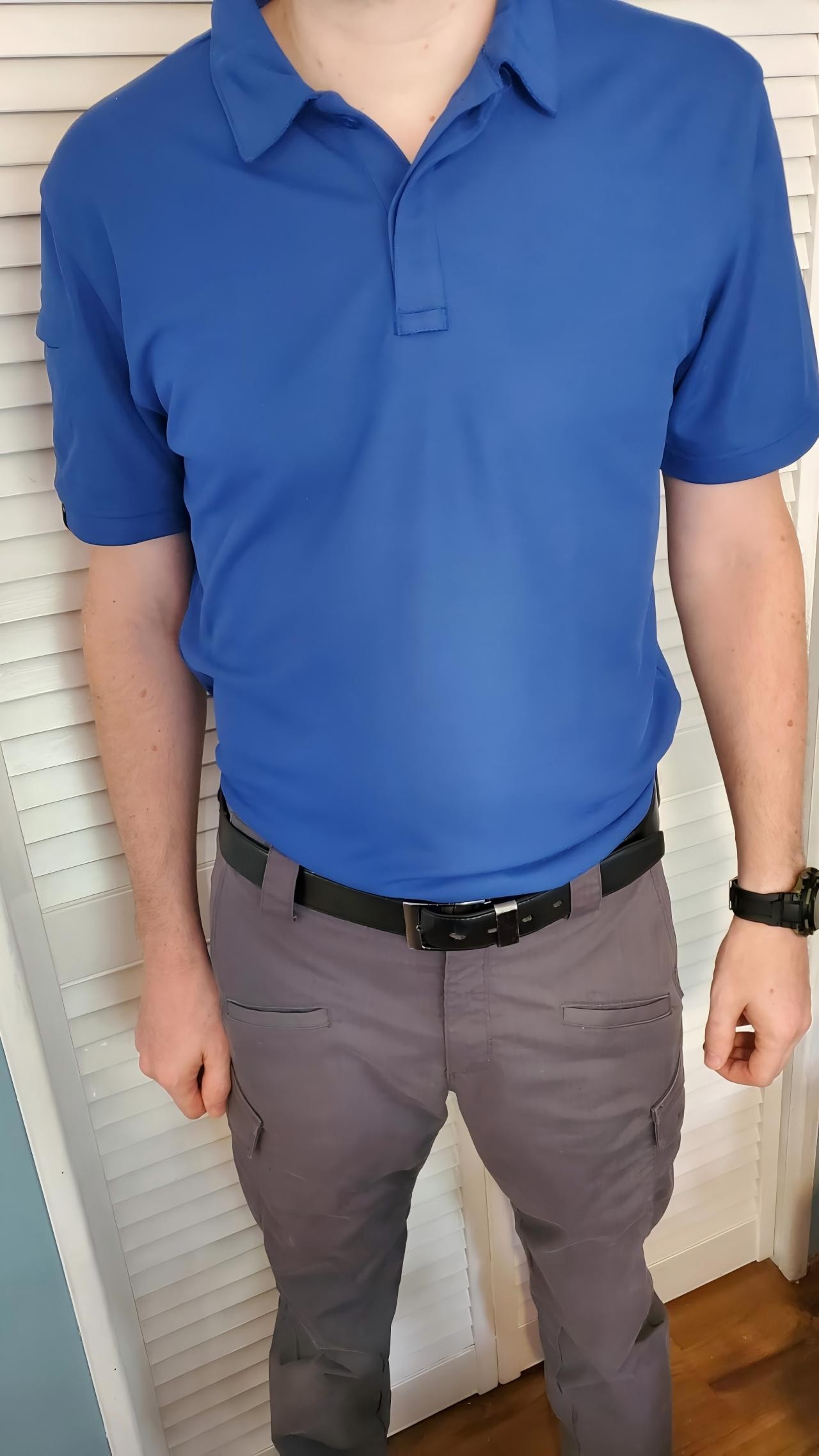
5a16cb22**.jpg|1280*2276|209.69 KB
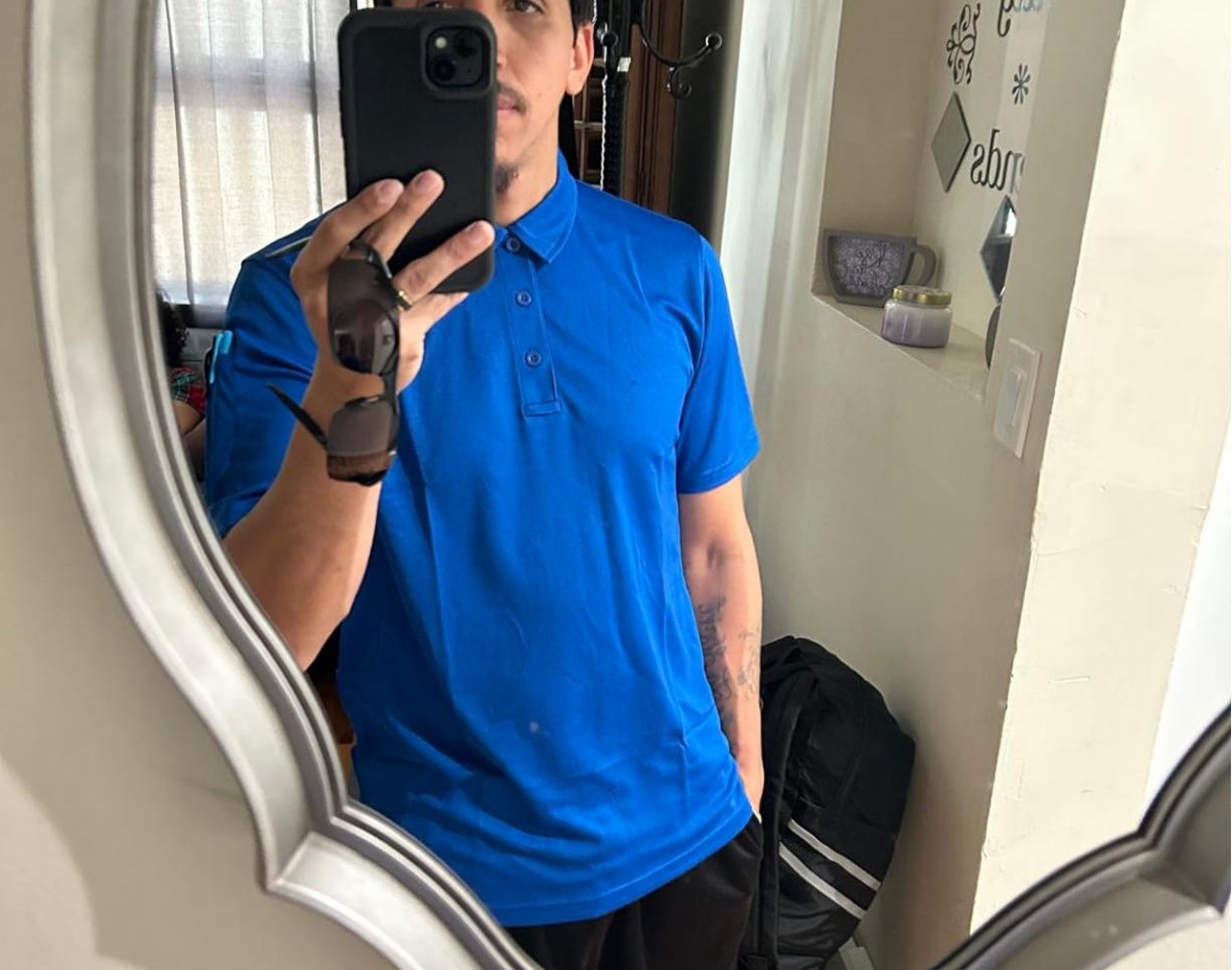
95968802**.jpg|1280*1008|177.68 KB
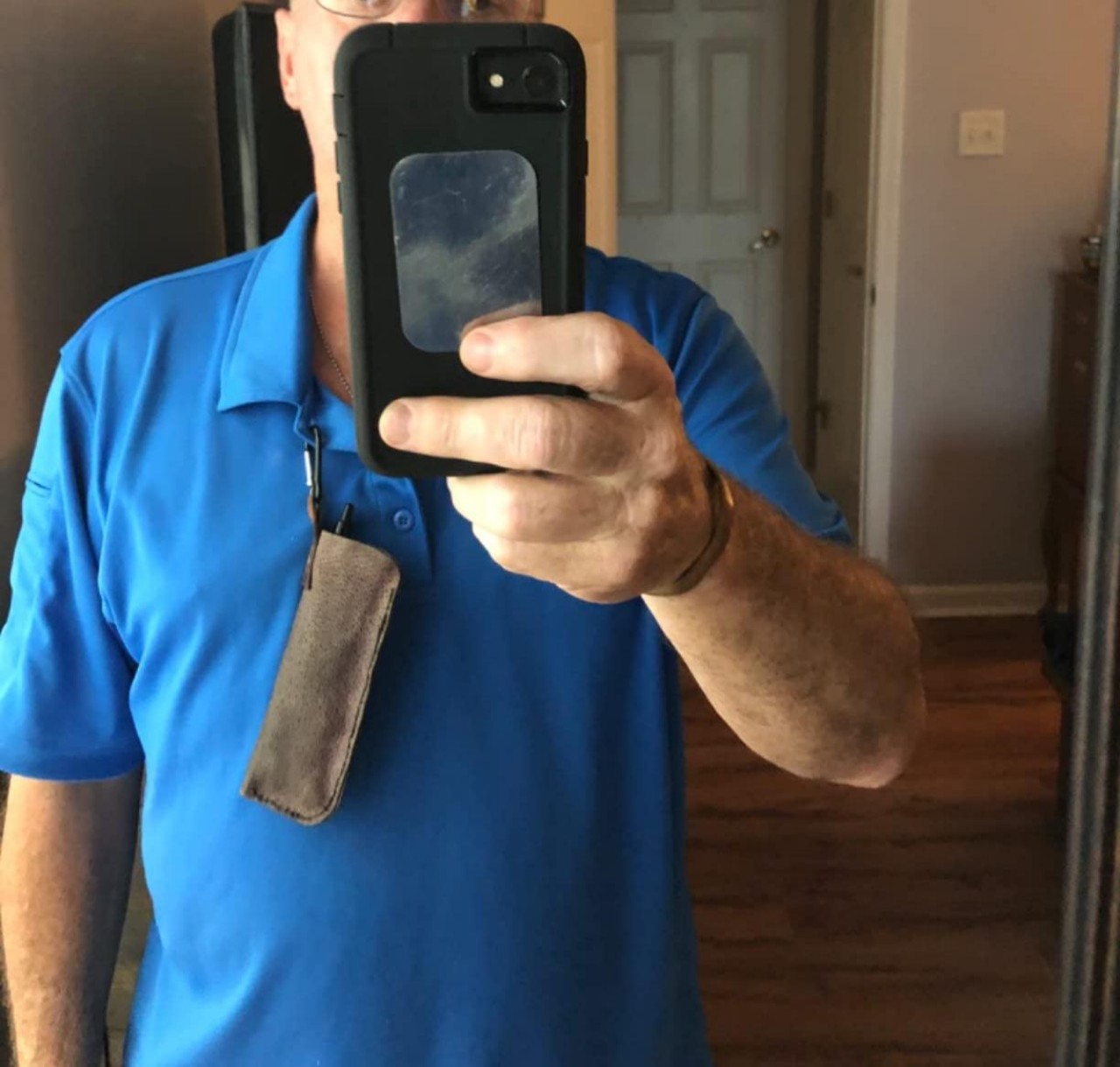
017ce839**.jpg|1280*1219|173.77 KB

2f232a2c**.jpg|1280*960|397.38 KB

9d49576a**.jpg|1280*2200|236.38 KB


Technical Specifications
| Field | Type | Description |
|---|---|---|
| file_name | string | File name |
| quality | string | Resolution |
| obstruction_level | string | The degree to which the polo shirt is occluded in the image, for example, partially occluded or fully occluded. |
| folded_state | string | The state of the polo shirt in the image, whether it is hanging, folded, or worn. |
| background_complexity | string | The complexity of the background in the image, such as simple or complex. |
Compliance Statement
| Authorization Type | Proprietary - Commercial AI Training License (No Redistribution) |
| Commercial Use | Requires exclusive subscription or authorization contract (monthly or per-invocation charging) |
| Privacy and Anonymization | No PII, no real company names, simulated scenarios follow industry standards |
| Compliance System | Compliant with China's Data Security Law / EU GDPR / supports enterprise data access logs |
Frequently Asked Questions
- What is the POLO shirt occlusion recognition image dataset?
- The POLO shirt occlusion recognition image dataset is a retail industry dataset focused on a diverse range of POLO shirt occlusion images, aimed at improving the accuracy of e-commerce product recognition.
- What is the main use of the POLO shirt occlusion recognition image dataset?
- The dataset is primarily used for training and testing machine learning models to improve the ability to recognize occluded POLO shirt products on e-commerce platforms.
- How is the image data in this dataset collected?
- The images in this dataset are collected by simulating various product occlusion scenarios in a real e-commerce environment.
- Why is occlusion recognition of POLO shirts important for e-commerce?
- In e-commerce, product images may be occluded by other items or backgrounds, so accurately recognizing products like POLO shirts is crucial for improving user experience and sales efficiency.
- Which machine learning task can this dataset help improve?
- This dataset can help improve object detection tasks, especially in the detection of occluded products.
- Who are the specific target users of this dataset?
- The POLO shirt occlusion recognition image dataset is suitable for e-commerce platform operators, smart retail solution providers, and machine learning researchers.

Can't find the data you need?
Post a request and let data providers reach out to you.
Get this Dataset
Verified for Enterprise UseCite this Work
@dataset{Mobiusi2025,
  title={POLO Shirt Occlusion Image Dataset},
  author={MOBIUSI INC},
  year={2025},
  url={https://www.mobiusi.com/datasets/46f7e92e716e4f1b360148de73aaf1ba},
  urldate={2025-08-28},
  keywords={POLO shirt dataset,image occlusion dataset,retail e-commerce images,product visibility dataset},
  version={1.0}
}
Using this in research? Please cite us.
placeholder
placeholder
placeholder
placeholder
placeholder
placeholder
placeholder